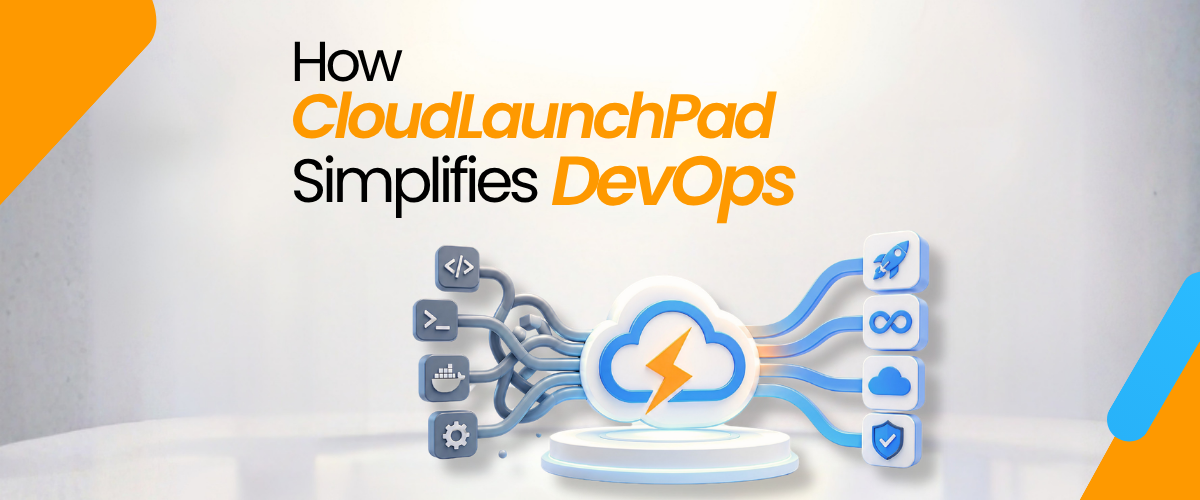
Cloud-based AWS Kubernetes deployment automation illustration showing faster DevOps deployment performance and scalable infrastructure management.

How to Cut AWS Kubernetes Deployment Time by 60% Without Sacrificing Reliability

The Deployment Bottleneck Nobody Talks About You've containerized your app. You've migrated to EKS. You've done everything the cloud-native playbook says. And yet your deployments still take 12, 15, sometimes 20 minutes. Your engineering team is burning time staring at kubectl rollout status, your on-call engineers are anxious every release night, and your CI/CD pipeline feels more like a CI/CD…

Read More icon
AWS EKS Architecture Explained

AWS EKS Architecture Explained – What Every DevOps Lead Should Know

Introduction K8s has become the backbone of modern cloud-native infrastructure, and Amazon Elastic Kubernetes Service (EKS) is the leading managed Kubernetes platform on AWS. Yet many DevOps leads find EKS intimidating — not because it lacks capability, but because its architecture spans multiple layers that must all work together seamlessly. This blog breaks down EKS architecture clearly, identifies the key…

Read More icon
Observability in AWS EKS

Observability in AWS EKS: How to Monitor, Debug, and Optimize Kubernetes Workloads

Modern applications deployed on Kubernetes—particularly on Amazon Elastic Kubernetes Service (EKS)—are dynamic, distributed, and highly scalable. While this flexibility drives innovation, it also introduces significant operational complexity.  Pods may scale rapidly, microservices communicate across multiple namespaces, and workloads shift dynamically across nodes. In such an environment, observability is not optional; it is essential.  It enables teams to:  ● Detect and…

Read More icon